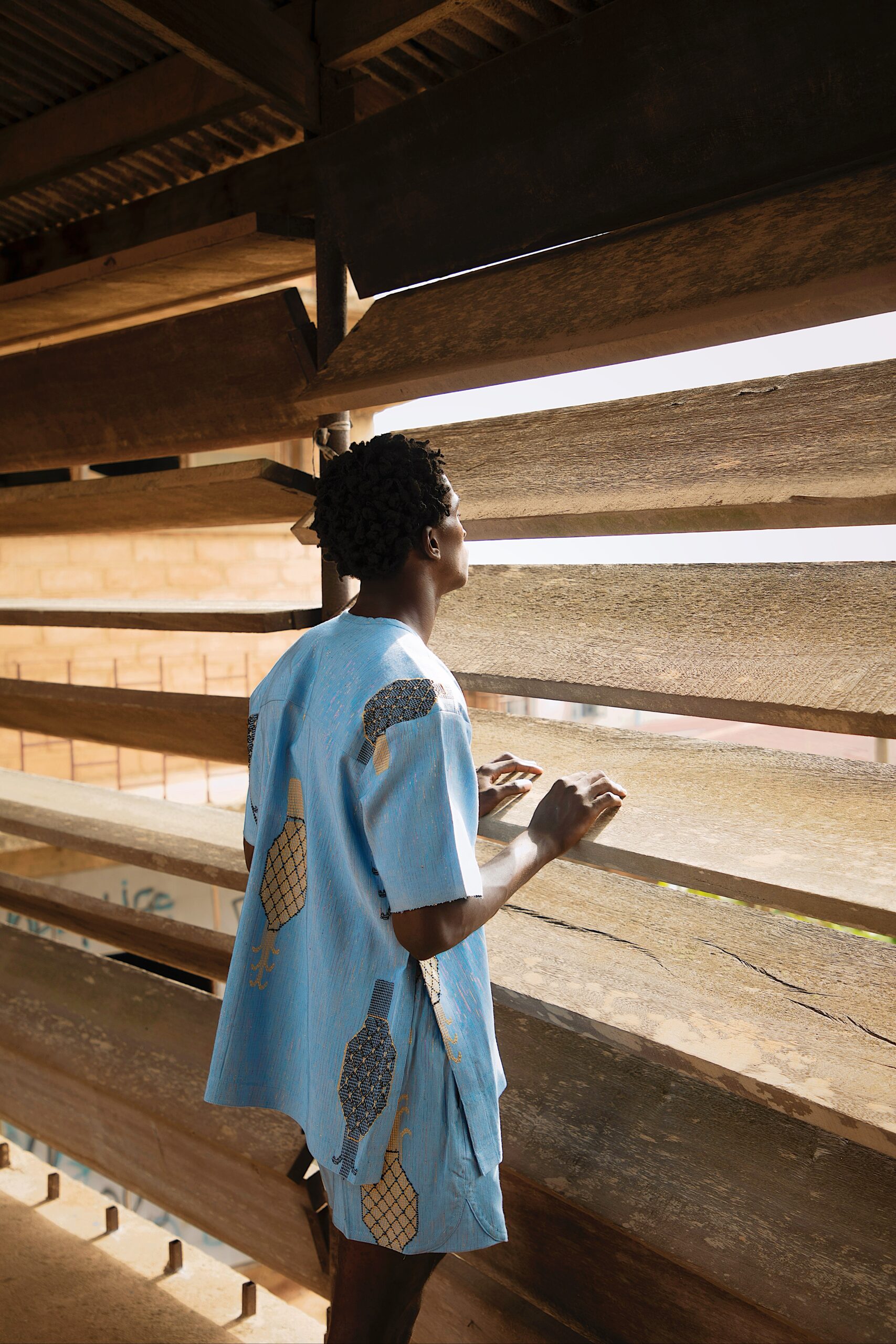
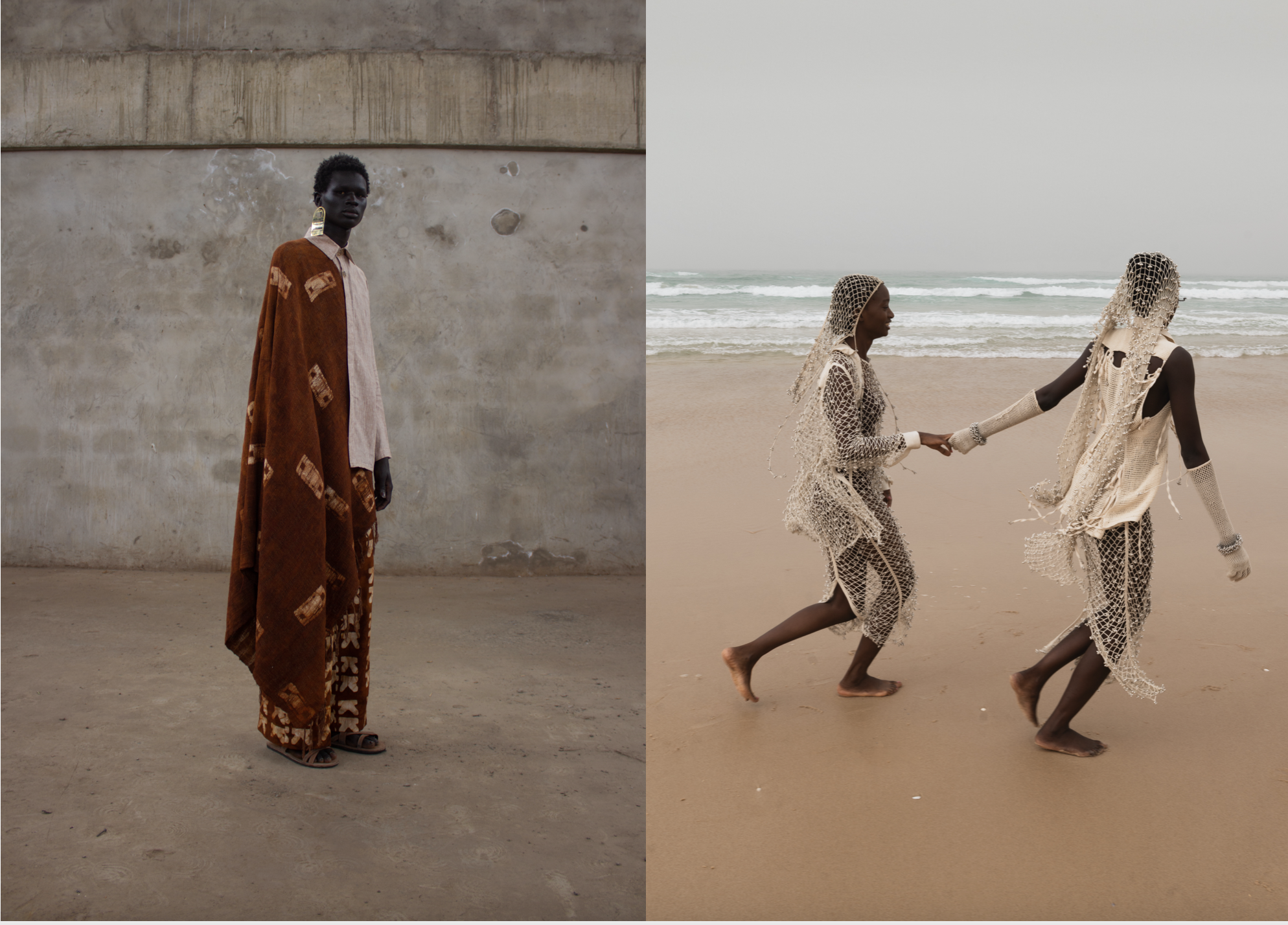
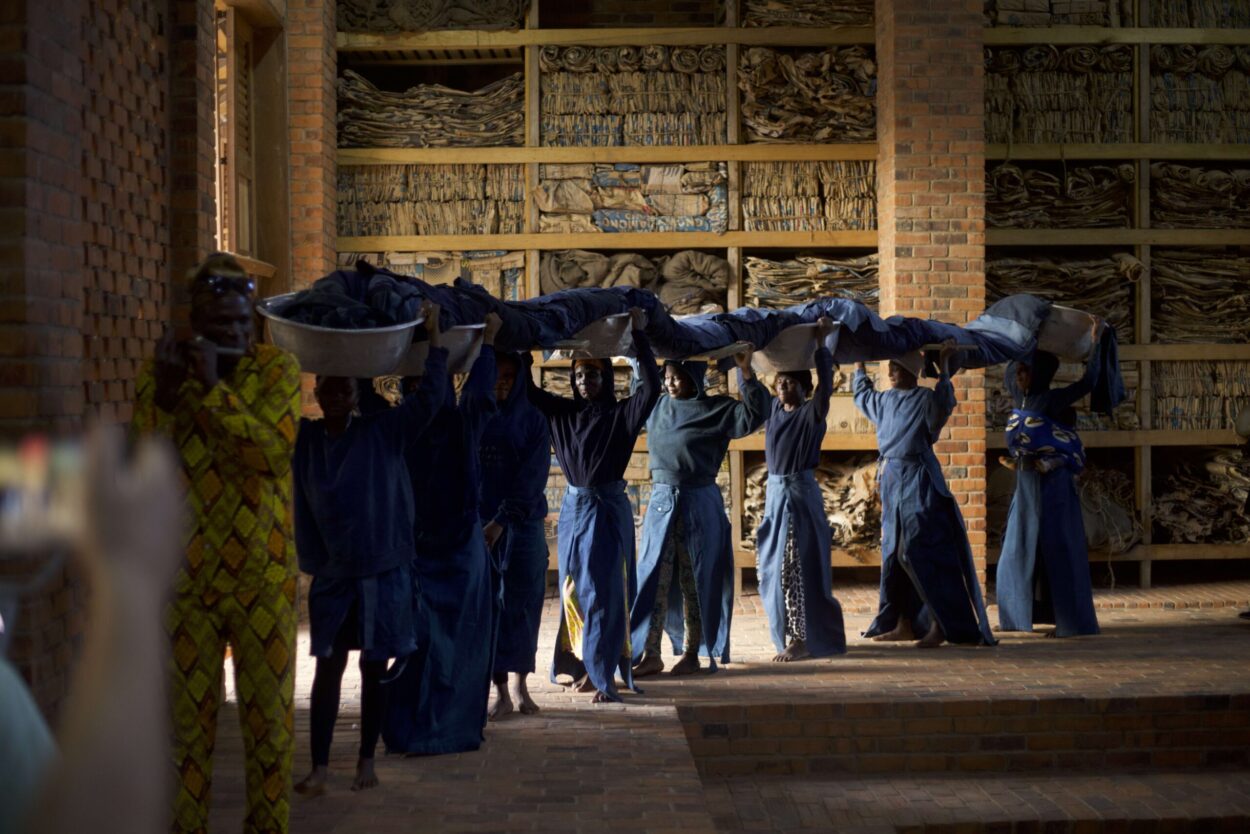
From trash to treasure, and from Africa to the world: Lamine Kouyaté and Bisrat Negassi discuss the evolving cultural translations told through cloth
Words Helen Jennings
It’s no exaggeration to say that Lamine Kouyaté is the godfather of sustainable fashion. The Malian designer, who launched Xuly.Bët (a Wolof expression meaning ‘Keep your eyes open’) in Paris all the way back in 1991, was upcycling before the term even existed. And his revolutionary approach to remixing both fabrics and traditions has paved the way for successive generations of African and diaspora talent to boldly do the same. Designers like Bisrat Negassi who found her own path after meeting Kouyaté in the early 90s. Born in Eritrea and raised in Germany, she felt an affinity for his inclusive design philosophy and went on to develop her own transcultural fashion language – and later co-found m.bassy, an art space in Hamburg promoting discourse around African creativity.
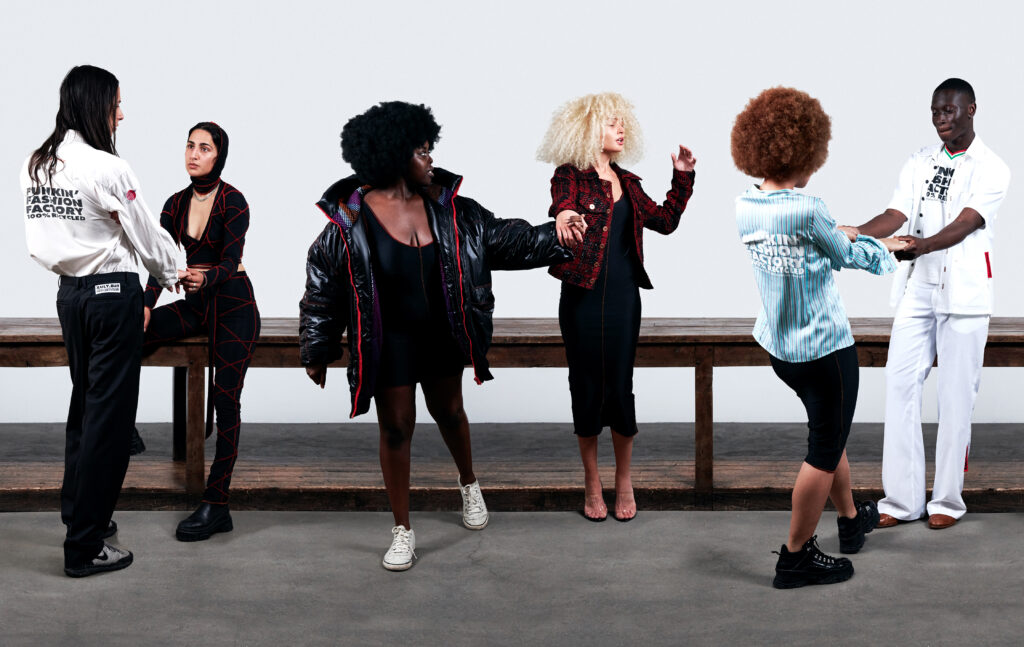
The pair have remained firm friends and now, in her current role as Head of the Fashion and Textiles collection at the Museum für Kunst und Gewerbe (MK&G) in Hamburg, Negassi presents ‘XULY.Bët – Funkin’ Fashion Factory 100% Recycled’. The exhibition (named after his Paris production hub from where he still works seven days a week) celebrates his body-loving silhouettes, crafted from wax print, knitwear and stretch fabrics and held together by his signature visible red stitching technique, which over the years have been worn by everyone from Janet Jackson to Rihanna, and seen him collaborate with the likes of Puma and A.P.C.
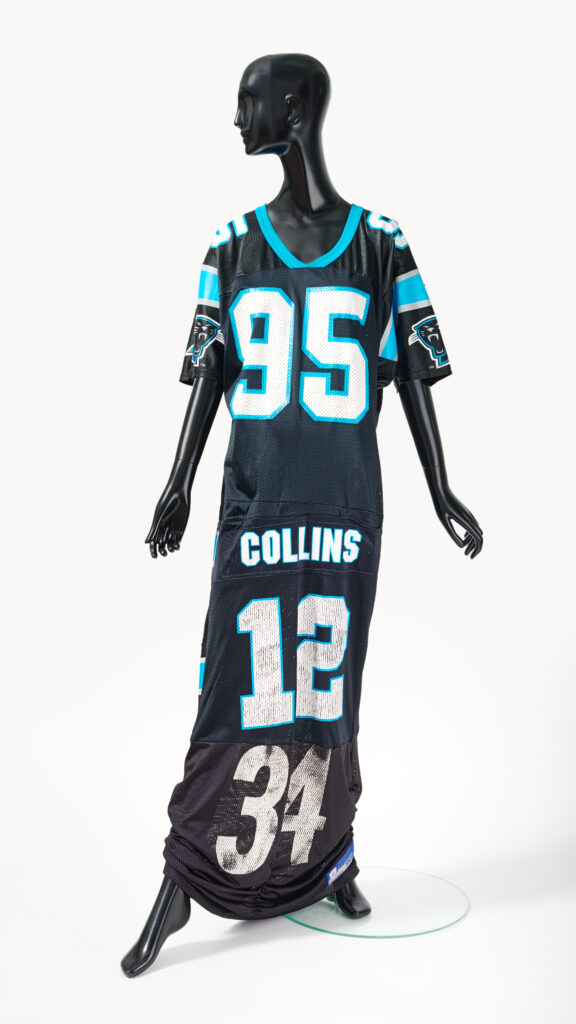
Bisrat’s curation also reminds of us of the rebellious ways in which diasporan designers can fuse African and European influences while confronting the fashion industry‘s broken systems. Having been brought up by the matriarchs of his family to re-work secondhand clothing as a way of life, and then becoming the talk of Paris as the ‘Prince of Pieces’ for doing the same thing, his practice is an exemplar of how aesthetics circulate across continents, acquiring new meanings and creating new exchanges along the way. So, for Assemblage Worldwide, Kouyaté and Negassi sit down to discuss the complexities of identities expressed through fashions in constant movement.
Assemblage Worldwide: Let’s start at the beginning. How did you meet?
Bisrat Negassi: I remember like it was yesterday because for me it was a life-changing moment. There was a fair in Hamburg and Lamine was the main act. As I was often the only Black person in society, I was keen to know more about Xuly.Bët and he and his gang were a cool vibe. The kind of people who wore sunglasses in the evening. And the best part was, he asked me if I was from Eritrea while usually nobody even knew where Eritrea was. That’s when our precious friendship began.
Lamine Kouyaté: I remember the fair had given us an all-white casting for the show. I was like, there must be some Black girls, and then I met Bisrat and I loved her spirit. We shared some affinity and she walked in my show.
Bisrat: Back then I loved how he was doing these guerrilla presentations on the street of Paris in front of the Jean-Paul Gaultier and Chanel shows and then he ended up all over the media. It was all so daring.
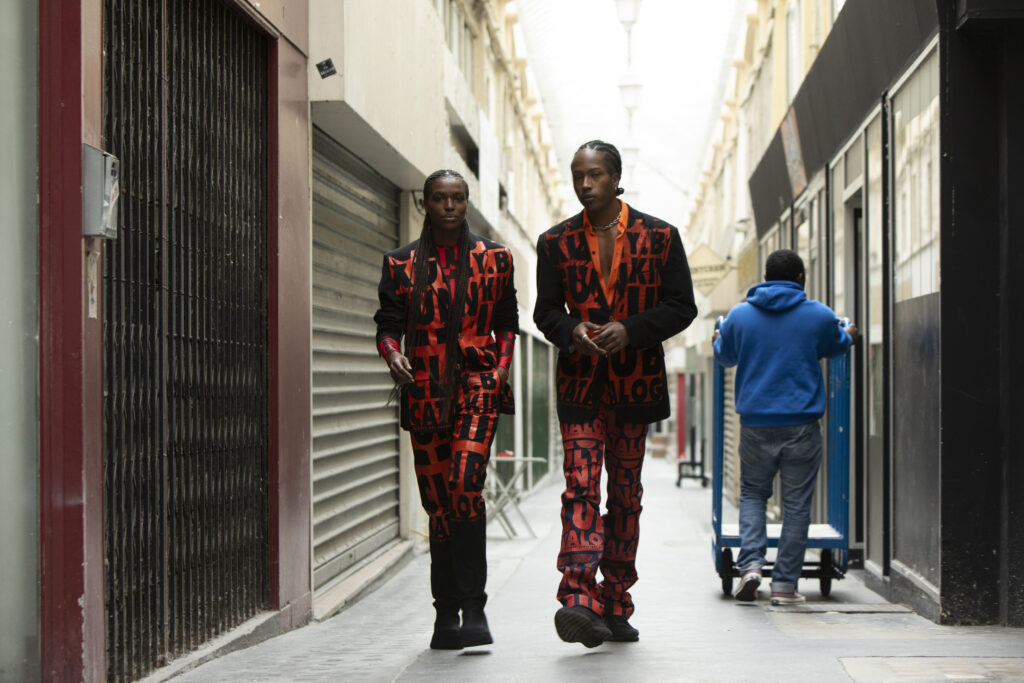
Lamine: We were young kids from the suburbs who brought a street aesthetic to the fashion world. All we wanted was to get away from racial segregation and be ourselves – all together.
“Xuly.Bët wasn’t just fashion. It was about community building. It was about changing society” Bisrat Negassi
Bisrat: It wasn’t just fashion. It was about community building. It was about changing society. That’s why Xuly.Bët became my safe space. Before, I didn’t know what I wanted to do with my life. And as a refugee kid in Germany, I thought there was no place for me in fashion. But then I went to Paris to do an internship with his team, who were from all over the world, and it felt like a real family. From that moment on, I knew fashion was more than bling bling. He was ahead of his time and he still is.
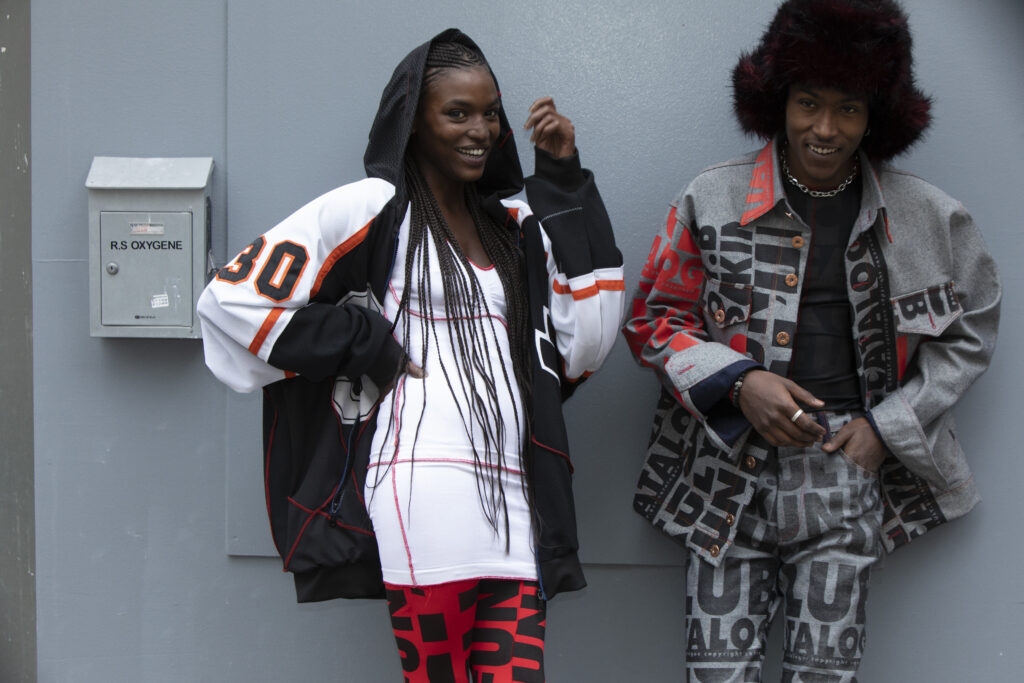
Lamine: Thank you. And I’ve always appreciated Bisrat’s work for her personal approach style. It’s very feminine and shows the fragility of womanhood. It teaches me about the woman’s condition, which is so precious and so open. While my work is rough, it acts like a shield.
“I come from a culture where we don’t waste anything because we believe that everything has value and everything is connected” Lamine Kouyaté
Assemblage Worldwide: Can we talk about your early experiences of style growing up on the continent?
Lamine: I was born in Mali during African independence and that moment of renaissance – for music, for fashion, for architecture. People dressed in brilliant ways that came from tradition but also expressing Africa’s future. It was about taking something positive from of what had been conservative. As I grew up, I took those references from my parents and made them my own.
I also come from a culture where we don’t waste anything because we believe that everything has value and everything is connected. There’s a saying that goes, no man is alone. We all need other people to live and we all have a part of the universe. So, if you break one part of that universe, it collapses. That idea, that we just have to make life the best it can me, still drives my spirit to this day.
Bisrat: I grew up during the Eritrean war of Independence. My parents were activists so we had to flee and go into hiding in Sudan for two years. During that period, we couldn’t even play outside. But one time we were allowed to get new dresses and all I wanted was a long red dress with ruffles on the shoulders. I couldn’t convince my mother, but since then she’s always said I had an interest in dressing as a form of escape, a source of happiness. It was clear to her I’d end up in this field.
I also remember spending a lot of time with the freedom fighters in Eritrea who had a very specific style. They’d wear fisherman sandals made from old plastic, with tight shirts and green hot paints. And all of them – men and women – wore big afros. So, for me the afro was a sign of strength and I always wanted to look like them.
Lamine: That reminds me of the Civil Rights Movement in the US and other movements around the world calling for peace and equality. You can see the influence of African culture remains so strong everywhere today because that legacy runs deep. And I hope my work is remains inspiring so that the next generation don’t lose their faith.
Bisrat: It does. And I too use my work at MK&G to speak about how fashion can express diverse identities. Often ethnographic museums are full of looted objects that are locked away, broken from their meanings. So, within the context of a design museum, I think about how fashion can replace those objects that were taken from our ancestors as a way to connect to traditions and cultures.
Similarly, I focus on sustainability. With the fast fashion cycle we’re in, we mustn’t consume without asking, where did this item came from, who created it and what was the situation for the people who produced it? We have to highlight that unseen process in order to change it.
Assemblage Worldwide: That brings us your current exhibition, ‘XULY.Bët – Funkin’ Fashion Factory 100% Recycled’.
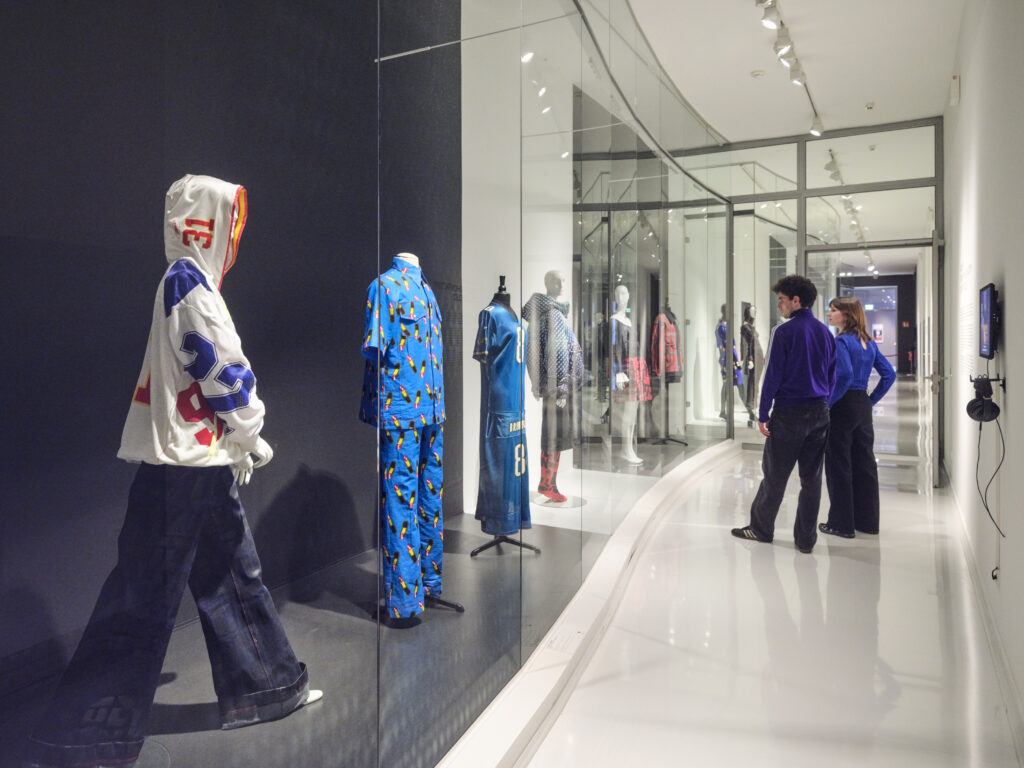
Bisrat: The show tells the history of the brand and of Lamine as a visionary designer who has inspired so many. What’s been important is the educational programme where school children have learnt about upcycing and created their own pieces. One project centred his early ‘Break the Patriarchy’ collection. Others highlighted the messages of consumerism, racism and homophobia in his work. The results they came up with were all so touching.
Assemblage Worldwide: What is your perspective on how fashion should balance appreciation of African aesthetics versus their appropriation?
Lamine: Africa has been feeding the world for decades, but no one gives back. They just take everything and wipe our names off of it. That’s the problem.
Bisrat: Whether we’re taking about fashion, art, music, or any field – you can’t appreciate a culture if you don’t respect the people who belong to that culture. So, we are very far from appreciation. It’s exploitation and nothing else. Look at the ongoing racism in fashion. You have luxury brands saying their target isn’t the Black community while getting rich off of that community. Gucci and Dapper Dan is case in point. Thank god there are so many more Black-owned brands today that we can consciously decide to buy from.
Lamine: It really comes down loving ourselves. Africans survived colonialism and slavery but were left with a complex that made us feel like we had something to prove. Now we have faith in ourselves and it’s that positivity that I always try to give to the people.
That’s one reason why I love the young diasporan designers who are thriving today. They’re not weighed down like we were. They’re very creative in the way they mix references from their own cultures with other inspirations, and they just don’t give a damn, they’re so free.
Bisrat: And that’s because, if you have had so many fight the fight before you, you’re going to be more self-confident. It’s a different time. Lamine, you had to look left and look right to survive. Now with social media, we connect differently and we can feel more independent. But what I would like to see more of from young designers is collective-thinking. The more we work together, the stronger we will be, because there really is space for us all. It’s about the bigger picture.
Learn more about ‘XULY.Bët – Funkin’ Fashion Factory 100% Recycled’ at MK&G here.
Words Helen Jennings